
Dodging Potholes? How to Protect Your Ride (And What Not to Do)
Apr 07, 2025
4 min read
As the snow melts and spring emerges across Canada, drivers often find themselves navigating a familiar nuisance: potholes. These road hazards not only make for a bumpy ride but can also lead to significant vehicle damage if not addressed properly. Let's explore why pothole season is particularly problematic in Canada, answer some of the most frequently searched questions about potholes, and provide some tips to keep your vehicle in top shape.
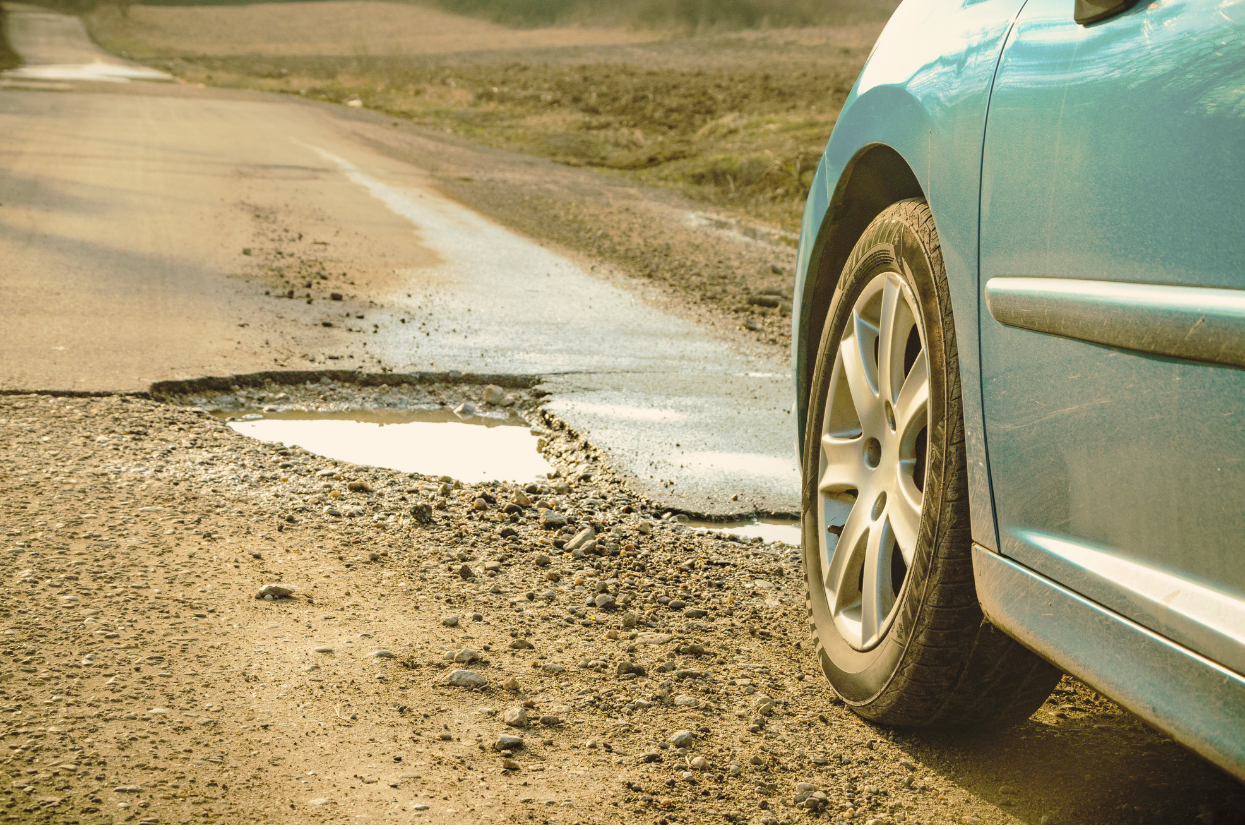
[caption id="attachment_406532" align="alignnone" width="807"] Wet roads can hide potholes—drive with caution and keep your alignment in check.[/caption]
Why Do Potholes Form, Especially in Spring?
Potholes are primarily the result of the freeze-thaw cycle, a common occurrence in Canadian climates. Here's how it works:
Wet roads can hide potholes—drive with caution and keep your alignment in check.[/caption]
Why Do Potholes Form, Especially in Spring?
Potholes are primarily the result of the freeze-thaw cycle, a common occurrence in Canadian climates. Here's how it works:
 Hit a pothole? You’re not alone—here’s what to check before things get worse.[/caption]
If you can't avoid a pothole:
Hit a pothole? You’re not alone—here’s what to check before things get worse.[/caption]
If you can't avoid a pothole:
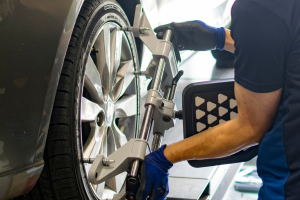 The professionals at Integra Tire make sure your alignment is spot on.[/caption]
Maintaining proper alignment is crucial, especially during pothole season:
The professionals at Integra Tire make sure your alignment is spot on.[/caption]
Maintaining proper alignment is crucial, especially during pothole season:
Wet roads can hide potholes—drive with caution and keep your alignment in check.[/caption]
Why Do Potholes Form, Especially in Spring?
Potholes are primarily the result of the freeze-thaw cycle, a common occurrence in Canadian climates. Here's how it works:
- Water Infiltration: Cracks in the road surface allow water to seep beneath the pavement.
- Freezing: As temperatures drop, the water freezes and expands, pushing the pavement upwards.
- Thawing: When temperatures rise, the ice melts, leaving a void beneath the pavement.
- Repetition: This cycle repeats, weakening the pavement.
- Vehicle Stress: The weight of passing vehicles causes the compromised pavement to collapse into the void, forming a pothole.
- How Can I Avoid Pothole Damage to My Vehicle?
- Stay Alert: Keep an eye on the road ahead to spot potholes early.
- Maintain Safe Distance: Keeping a safe distance from the vehicle in front allows more time to react to potholes.
- Proper Tire Pressure: Ensure your tires are inflated to the manufacturer's recommended levels to absorb impacts better.
- Slow Down: Reducing speed gives you more time to react and lessens the impact if you hit a pothole.
- What Should I Do If I Hit a Pothole?
Hit a pothole? You’re not alone—here’s what to check before things get worse.[/caption]
If you can't avoid a pothole:
- Don't Brake Suddenly: Braking can cause the front of your vehicle to dip, increasing the impact on the suspension.
- Hold the Steering Wheel Firmly: This helps maintain control and prevents swerving.
- Inspect Your Vehicle: After hitting a pothole, check for any visible damage to tires and rims.
- Monitor for Issues: Be alert for signs like the vehicle pulling to one side, vibrations, or unusual noises, which may indicate damage.
- How Do I Know If a Pothole Has Damaged My Car's Alignment?
- Vehicle Pulling: The car drifts to one side when driving on a straight road.
- Uneven Tire Wear: Tires show irregular wear patterns.
- Steering Wheel Off-Center: The steering wheel isn't centered when driving straight.
- Will My Insurance Cover Pothole Damage?
- Collision Coverage: Typically covers damage from hitting an object, including potholes.
- Comprehensive Coverage: Usually doesn't cover pothole damage.
- Can I Claim Pothole Damage from the City?
- Reporting: Report the pothole to local authorities promptly.
- Documentation: Provide evidence of the damage and repair estimates.
- Timelines: Be aware of claim submission deadlines; for instance, some cities require claims within 10 days of the incident.
The professionals at Integra Tire make sure your alignment is spot on.[/caption]
Maintaining proper alignment is crucial, especially during pothole season:
- Regular Checks: Schedule alignment inspections, particularly after winter or if you've hit a pothole.
- Suspension Maintenance: Ensure suspension components are in good condition to absorb impacts effectively.
- Tire Care: Rotate tires regularly and keep them balanced to promote even wear and maintain alignment.