
Winter Tires vs. All-Season Tires: Which Is the Best Option in Quebec?
When it comes to winter driving in Quebec, weather conditions can become extremely challenging. Between heavy snowfall, black ice, and freezing temperatures, choosing the right tires for your vehicle is essential to your safety. You have two options: winter tires or all-season tires. But what are the differences, and which is better for tackling a Quebec winter?
Winter tires: built for extreme conditions
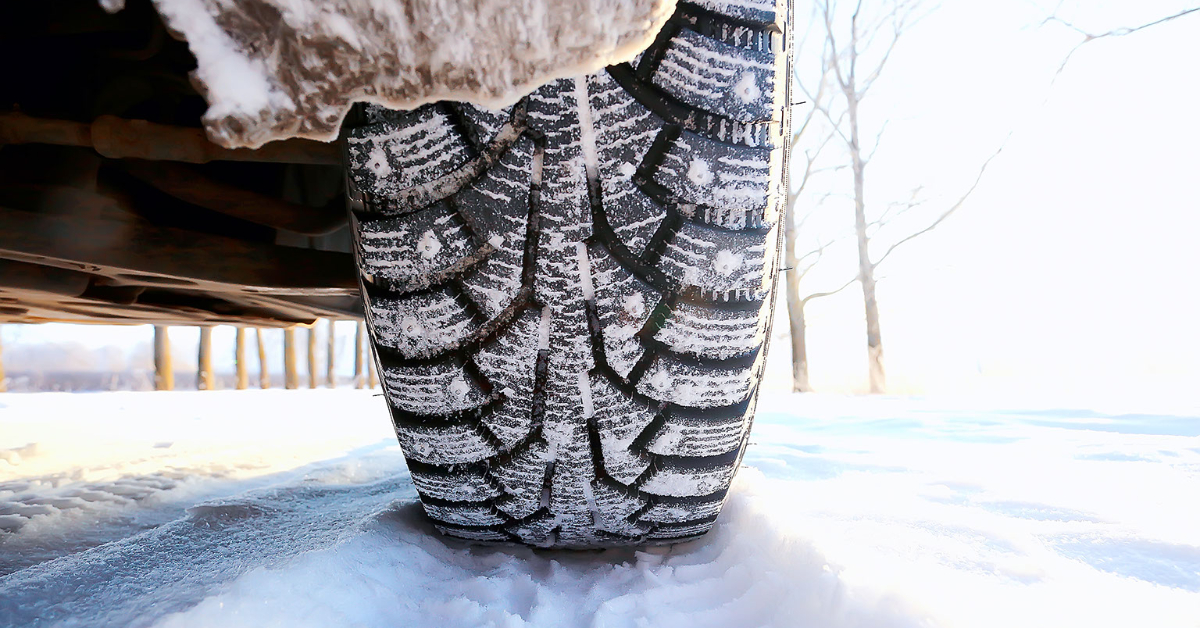
Winter tires are specifically designed to deliver optimal grip in extreme winter driving conditions. Their main distinguishing features are:
- A cold-adapted rubber compound: Winter tires are made with a softer rubber compound that stays flexible even in the coldest temperatures. This improves traction on icy and snow-covered roads.
- A deep tread: Winter tire design is optimized with deep grooves and sipes that channel snow and water away efficiently, reducing the risk of hydroplaning and improving grip on slippery surfaces.
- Grip on ice: Some winter tires are studded or equipped with micro-pumps that provide better traction on icy surfaces.
Certified all-season tires: a versatile solution, but limited in winter
All-season tires, as the name suggests, are designed to deliver acceptable performance year-round. They're often seen as a compromise between summer and winter tires. Here are a few of their characteristics:
- A versatile rubber compound: The compound used in all-season tires is designed to be effective across a wider temperature range. However, it becomes stiffer in cold weather, which can limit grip on icy and snow-covered roads.
- Shallower tread: Compared to winter tires, all-season tires have more modest tread depth, making them less effective at clearing snow and maintaining grip in deep-snow conditions.
- A solution for moderate climates: While all-season tires perform well in fall or spring conditions, they aren't suited to extreme winter conditions like those found in Quebec.
Performance on Quebec roads
Quebec winters are known for their extreme conditions, and this is where winter tires truly set themselves apart from all-season tires. Here are a few key points of comparison:
- Traction on snow and ice: Winter tires offer better grip on slippery, snow-covered roads thanks to their design and composition. All-season tires, on the other hand, struggle to maintain good traction in these conditions.
- Braking distance: Winter tires can significantly reduce braking distance on snow and ice, whereas all-season tires can increase that distance—which is dangerous in winter.
- Ride comfort: While all-season tires offer good ride comfort on dry or lightly wet roads, they become stiff and lose performance when temperatures drop below zero.
So what drives some motorists to choose tires that perform so poorly in most conditions? Not having to make two tire changes a year is one factor, whether to cut costs or simply save time, though these all-season tires will still need to be rotated at some point.
Conclusion All-season tires may be suitable for regions with milder winters (for example, if you travel to more southern areas for much of the winter season). But in Quebec, where snow, cold, and ice are ever-present, winter tires remain the best, and the only legal option during the winter period. Remember to plan your tire change ahead of time to stay compliant with regulations and ensure safe driving all winter long.